Poly B Plumbing: Risks, Insurance & Replacement Costs
Poly B plumbing in residential homes is a common concern for homeowners, buyers, and sellers, especially in properties built between the late 1970s and 1990s. Also known as polybutylene plumbing, Poly B pipes can impact home insurance, resale value, and long-term maintenance planning.
Understanding the risks, warning signs, and replacement considerations can help you make informed real estate and financial decisions.
What Is Poly B Plumbing?
Polybutylene (Poly B) is a plastic water supply piping material that was widely used in residential construction from approximately 1978 to 1998.
It became popular because it was:
Cost-effective
Easy to install
Flexible and lightweight
Poly B was commonly installed in place of copper piping and can still be found in many homes today, particularly in basements, utility rooms, and behind finished walls.
Why Poly B Plumbing Is a Concern
While Poly B was once considered an innovative solution, it has since developed a reputation for reliability issues.
The main concern is that Poly B can degrade over time due to exposure to oxidants, such as chlorine, which is commonly found in municipal water systems.
This can lead to:
Internal pipe deterioration
Brittleness and cracking
Sudden and unexpected pipe failure
One of the biggest risks is that damage often occurs inside the pipe, making it difficult to detect until a leak or burst occurs, sometimes behind walls or ceilings.
How to Identify Poly B in a Home
If you're unsure whether a home has Poly B plumbing, there are a few common indicators:
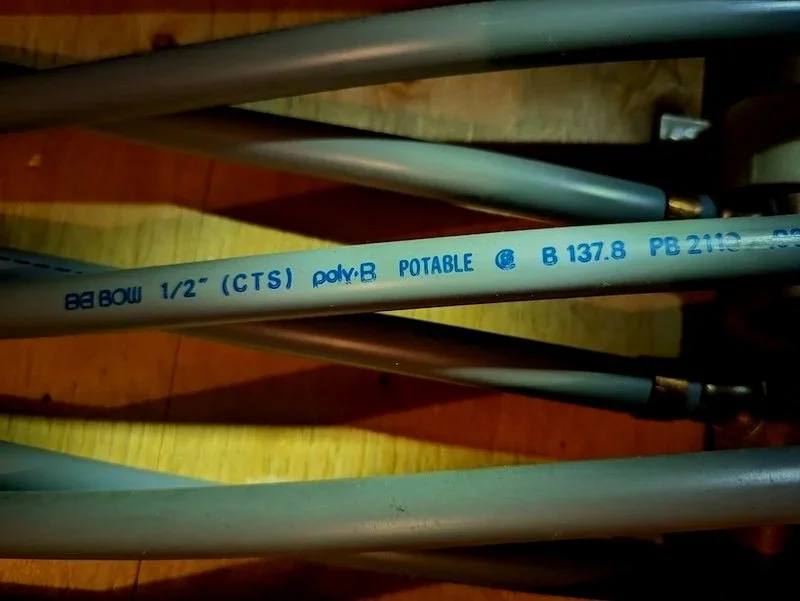
Grey plastic piping (most common)
Sometimes blue or black plastic pipes
Markings such as “PB2110” on the pipe
Plastic fittings instead of metal
Because Poly B is often hidden behind walls, a professional home inspection or plumber assessment is usually the best way to confirm its presence.
Does Poly B Affect Home Insurance?
Yes, Poly B plumbing can significantly impact home insurance.
Depending on the insurer, you may encounter:
Denied coverage
Policies with water damage exclusions
Requirements to replace the plumbing before coverage is approved
For buyers, this can affect mortgage approval and financing timelines. For sellers, it can limit the number of qualified buyers and influence the sale price.
How Much Does It Cost to Replace Poly B Plumbing?
The cost of replacing Poly B plumbing varies depending on several factors, including the size of the home, number of fixtures, and accessibility of the piping.
Typical cost ranges:
Townhomes or smaller homes: $6,000 to $10,000
Detached homes: $10,000 to $20,000+
Costs may increase if:
Walls or ceilings need to be opened
There are multiple bathrooms or complex layouts
Finishing work is required after replacement
Buying or Selling a Home With Poly B
For Buyers
Buying a home with Poly B plumbing is still common, but it’s important to proceed carefully.
Buyers should:
Confirm insurance availability before firming up
Factor replacement costs into their budget
Use Poly B as a negotiation point
For Sellers
If you're selling a home with Poly B, strategy matters.
Sellers can:
Replace the plumbing before listing to maximize value
Disclose the presence of Poly B upfront
Price the home accordingly to reflect the condition
Homes with updated plumbing are generally easier to sell and attract a broader range of buyers.
Should Homeowners Replace Poly B Plumbing?
In most cases, replacing Poly B plumbing is recommended over time.
Even if no issues are currently visible, the material is known to fail unpredictably. Replacement can:
Reduce the risk of water damage
Improve insurance eligibility
Increase resale value
Provide peace of mind
Whether to replace immediately or plan for it in the future depends on your situation, insurance requirements, and long-term plans for the home.
Does Poly B Plumbing Affect Resale Value?
Yes, Poly B plumbing can influence how buyers perceive a property.
Some buyers may:
Be hesitant due to potential risks
Request price reductions
Require replacement as a condition of purchase
As a result, homes with Poly B may sell for less than comparable homes with updated plumbing, or take longer to sell.
Poly B vs PEX Plumbing: What’s the Difference?
Poly B (polybutylene) and PEX (cross-linked polyethylene) are both plastic plumbing materials, but they are not the same, and the difference is critical for homeowners.
Poly B was commonly installed in homes between the late 1970s and 1990s and is now considered outdated due to its tendency to degrade over time. It can become brittle and fail unexpectedly, especially when exposed to oxidants in municipal water systems.
PEX, on the other hand, is the modern standard for residential plumbing. It is specifically engineered to be more durable, flexible, and resistant to chemical breakdown. PEX piping is widely used today and is approved by building codes across Canada.
Poly B vs PEX Plumbing: Visual Comparison
While both Poly B and PEX are plastic plumbing materials, their long-term performance, durability, insurance acceptance, and resale impact are very different. Here is a clear side-by-side comparison.
- Installed from 1978–1998
- Typically grey plastic piping
- Can deteriorate internally over time
- Risk of leaks or sudden failure
- Insurance restrictions common
- May reduce resale value
- Considered outdated
- Modern plumbing standard
- Flexible red / blue / white piping
- Durable and long-lasting
- Resistant to common breakdown issues
- Accepted by insurers
- Improves resale appeal
- Used in modern construction
Key Differences Between Poly B and PEX:
Material Reliability
Poly B is prone to deterioration and failure over time, while PEX is designed for long-term durability.Insurance Acceptance
Homes with Poly B may face insurance limitations or exclusions. PEX is generally fully accepted by insurers.Lifespan
Poly B systems have a shorter and less predictable lifespan. PEX is expected to last decades under normal conditions.Resale Impact
Poly B can negatively impact property value and buyer confidence. PEX is considered a modern upgrade.
Why This Matters
Some homeowners assume that because both materials are plastic, they perform similarly, but this is not the case. Replacing Poly B with PEX is considered a major improvement, reducing risk and improving both insurability and resale potential.
If you’re buying or selling a home, it’s important to clearly confirm whether the plumbing is Poly B or PEX, as the implications are very different.
Final Thoughts
Poly B plumbing is more than just a technical detail, it’s a factor that can impact insurance, financing, resale value, and long-term maintenance.
If you’re buying, selling, or owning a home with Poly B, the key is to:
Understand the risks
Plan for replacement
Make informed decisions based on your goals
Need Advice on a Home With Poly B?
Whether you're buying, selling, or planning upgrades, having the right guidance can make a significant difference.
Equity One Real Estate helps clients navigate real-world issues like Poly B plumbing every day, so you can move forward with confidence and make smarter real estate decisions.
Poly B Frequently Asked Questions
-
Poly B, or polybutylene plumbing, is a plastic piping material used in residential homes from the late 1970s through the 1990s.
-
It can deteriorate over time, potentially leading to leaks or sudden pipe failure.
-
Look for grey plastic piping or markings such as PB2110, or have a home inspector confirm.
-
Yes. Some insurers may limit coverage, exclude water damage, or require replacement.
-
Many homeowners choose to replace it to reduce risk and improve resale and insurance options.
-
Costs vary, but typically range from $6,000 to $20,000 or more depending on the home.
-
Yes, but buyers should confirm insurance and consider future replacement costs.
-
It can, as buyers may factor replacement costs into their offers.